Use Cases
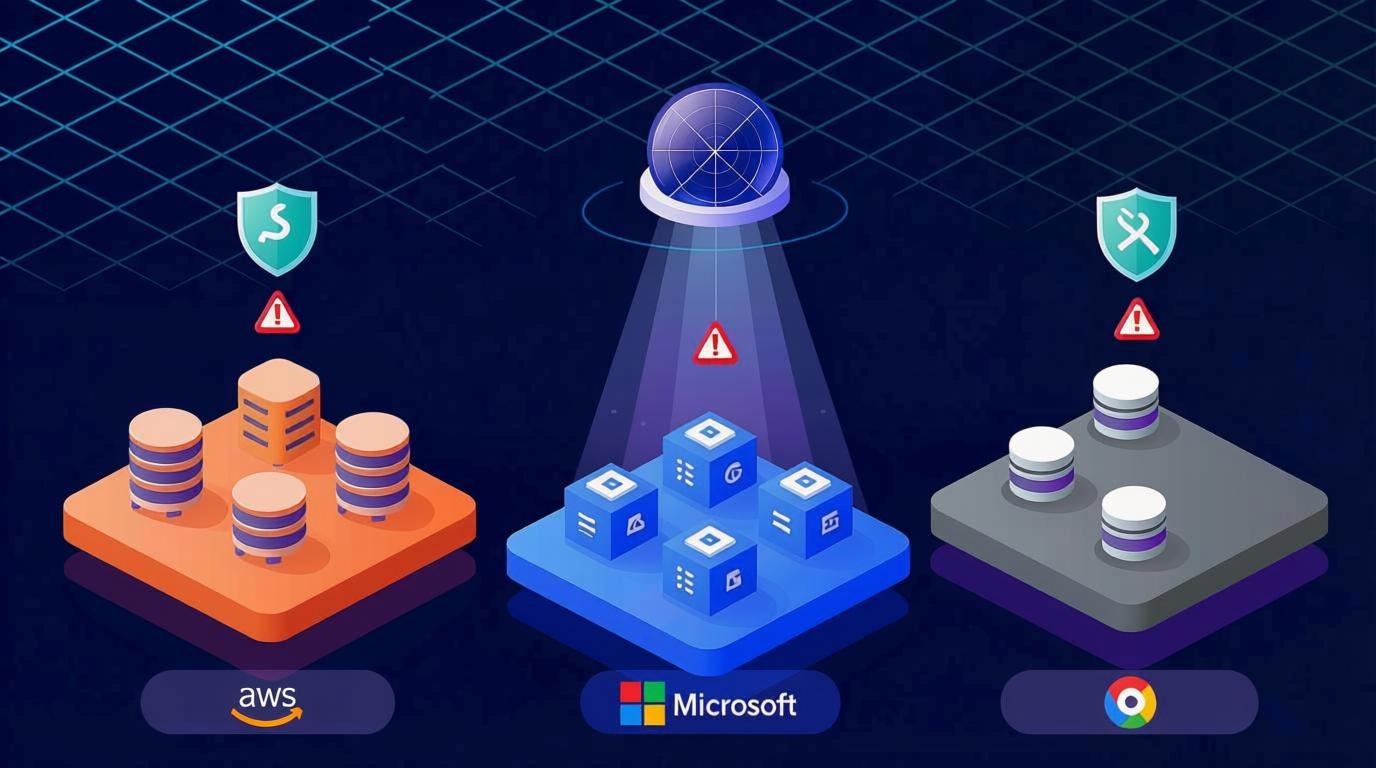
Cloud Security Posture Management (CSPM) is a category of security tools focused on continuously identifying and remediating cloud misconfigurations, compliance violations, and risks across cloud infrastructure (IaaS/PaaS environments like AWS, Azure, GCP, and increasingly Kubernetes). CSPM is increasingly bundled into CNAPP (Cloud-Native Application Protection Platform), which combines CSPM with CWPP (workload protection), CIEM (entitlements), DSPM (data posture), and KSPM (Kubernetes posture).
Features & Modules
The core features are:
- Visibility across multi-cloud environments. Maintain a continuously updated inventory of every cloud asset (compute, storage, identity, networking, serverless, containers) across all accounts, subscriptions, and regions. You can't secure what you can't see, and shadow accounts/resources are a primary risk.
- Misconfiguration detection. Identify deviations from secure baselines — publicly exposed S3 buckets, overly permissive security groups, unencrypted volumes, disabled logging, root account usage, MFA gaps, etc. Misconfiguration remains the leading cause of cloud breaches.
- Continuous compliance monitoring. Map cloud configurations against frameworks (CIS Benchmarks, NIST 800-53, PCI DSS, HIPAA, SOC 2, ISO 27001, FedRAMP, CMMC) and produce evidence on demand rather than scrambling at audit time.
- Risk prioritization. Move past raw alert volume toward context-aware risk scoring — a misconfigured bucket holding PII reachable from the internet matters more than one in an isolated dev account.
- Remediation acceleration. Shorten mean time to remediate through guided fixes, IaC suggestions, or automated guardrails.
- Drift detection. Catch when production configurations diverge from approved IaC templates or known-good baselines.
- Shift-left integration. Surface issues in IaC (Terraform, CloudFormation, ARM, Bicep) before deployment, not just after.
In this page:

Ready to get started?
Our team will assess your environment and define the right approach